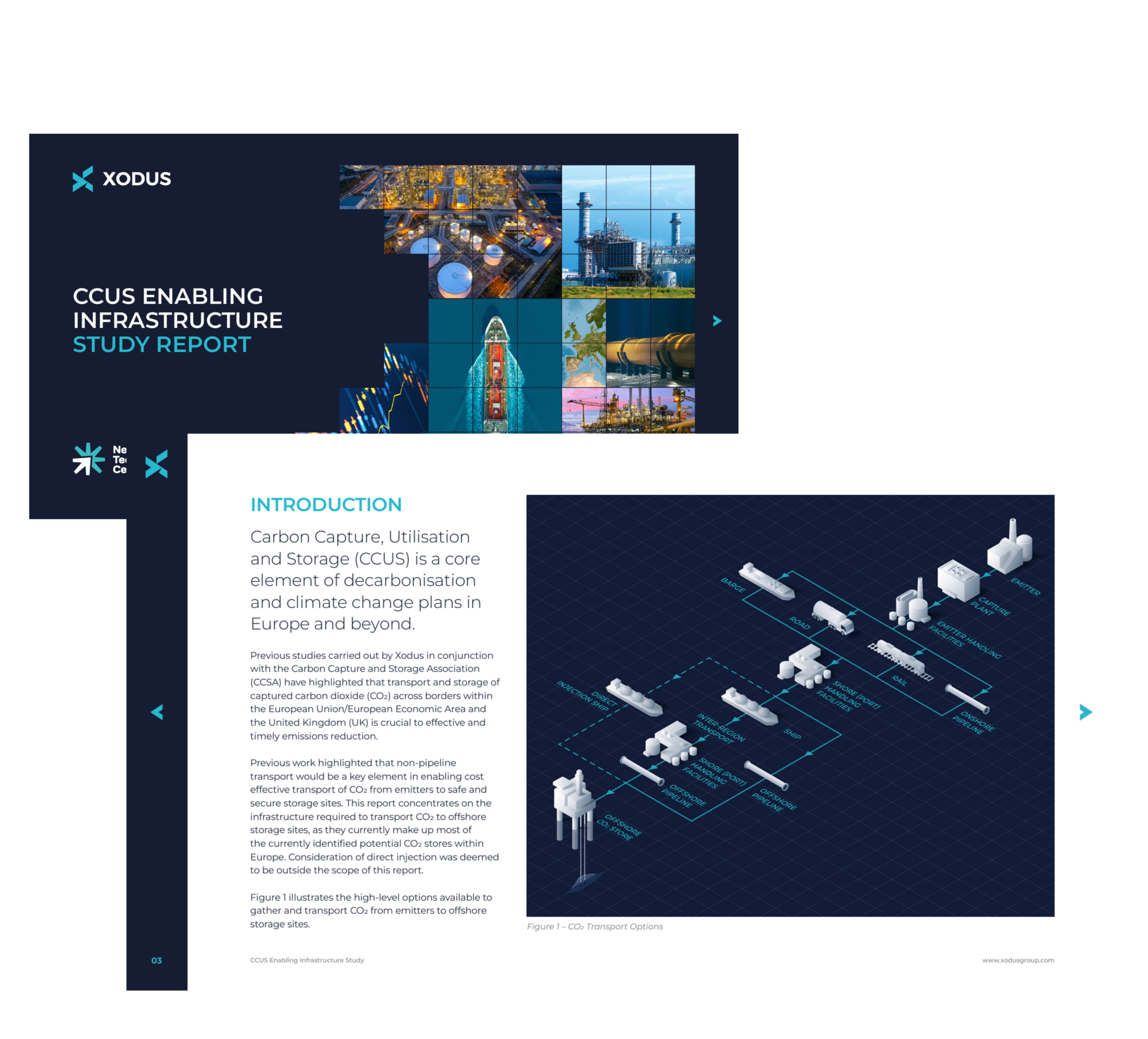
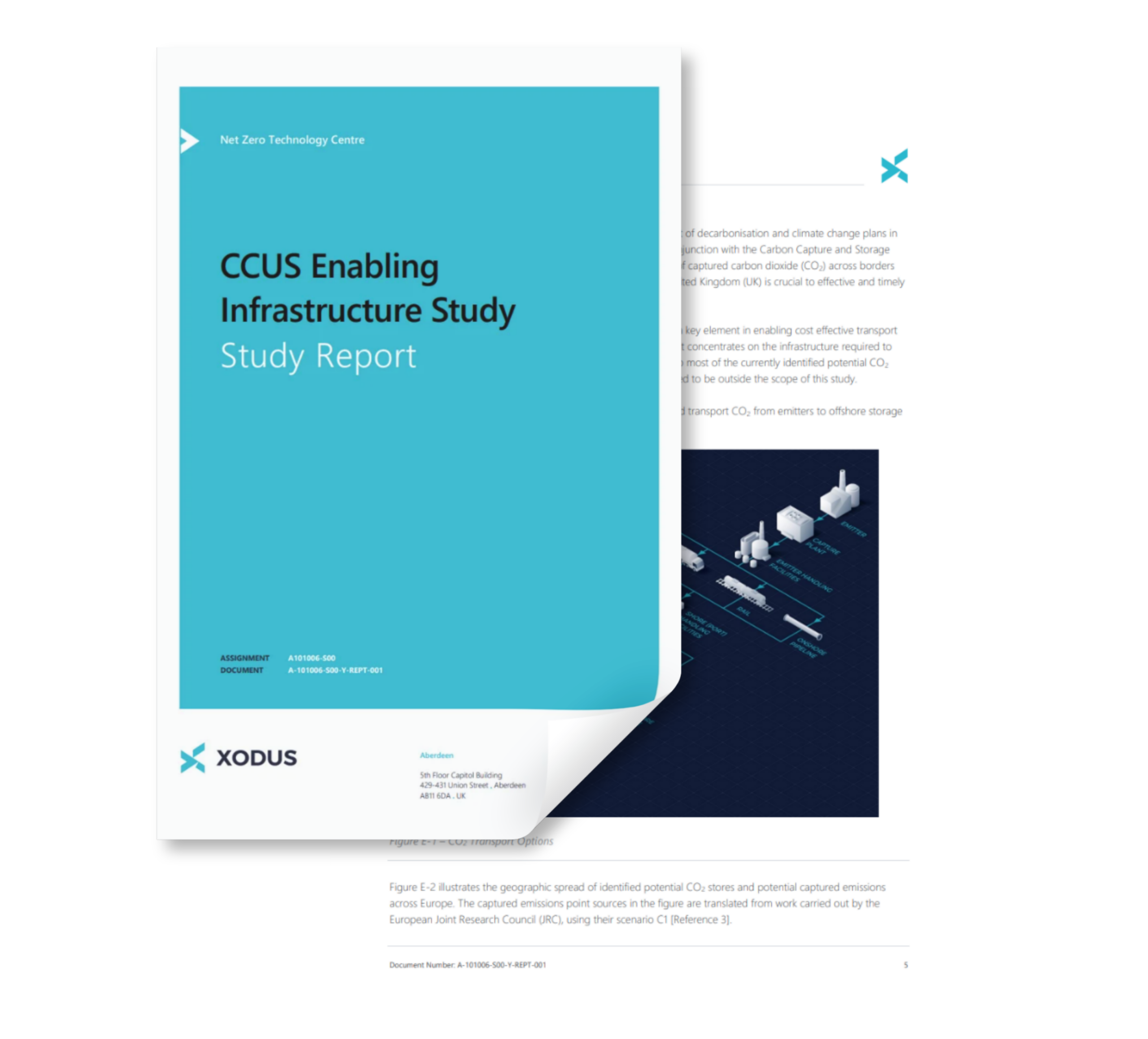
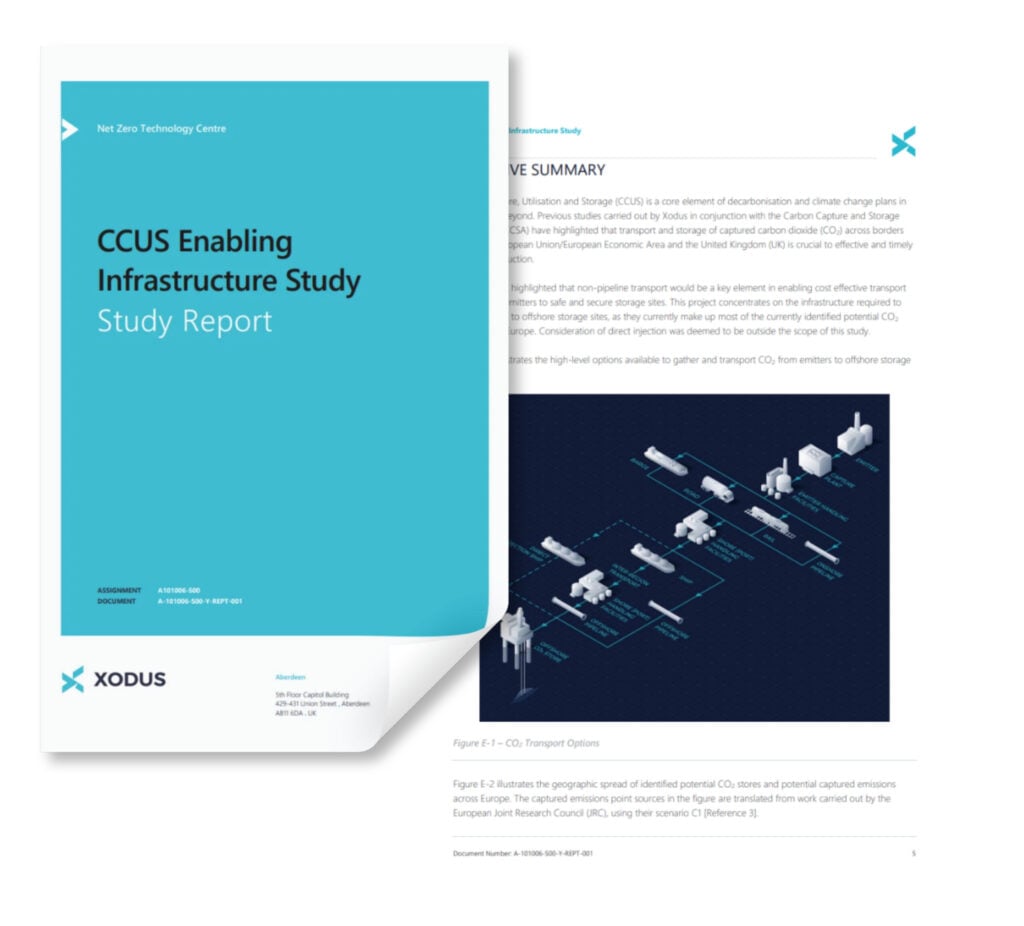
CCUS Enabling Infrastructure Study Report
Carbon Capture, Utilisation and Storage (CCUS) is a core element of decarbonisation and climate change plans in Europe and beyond.
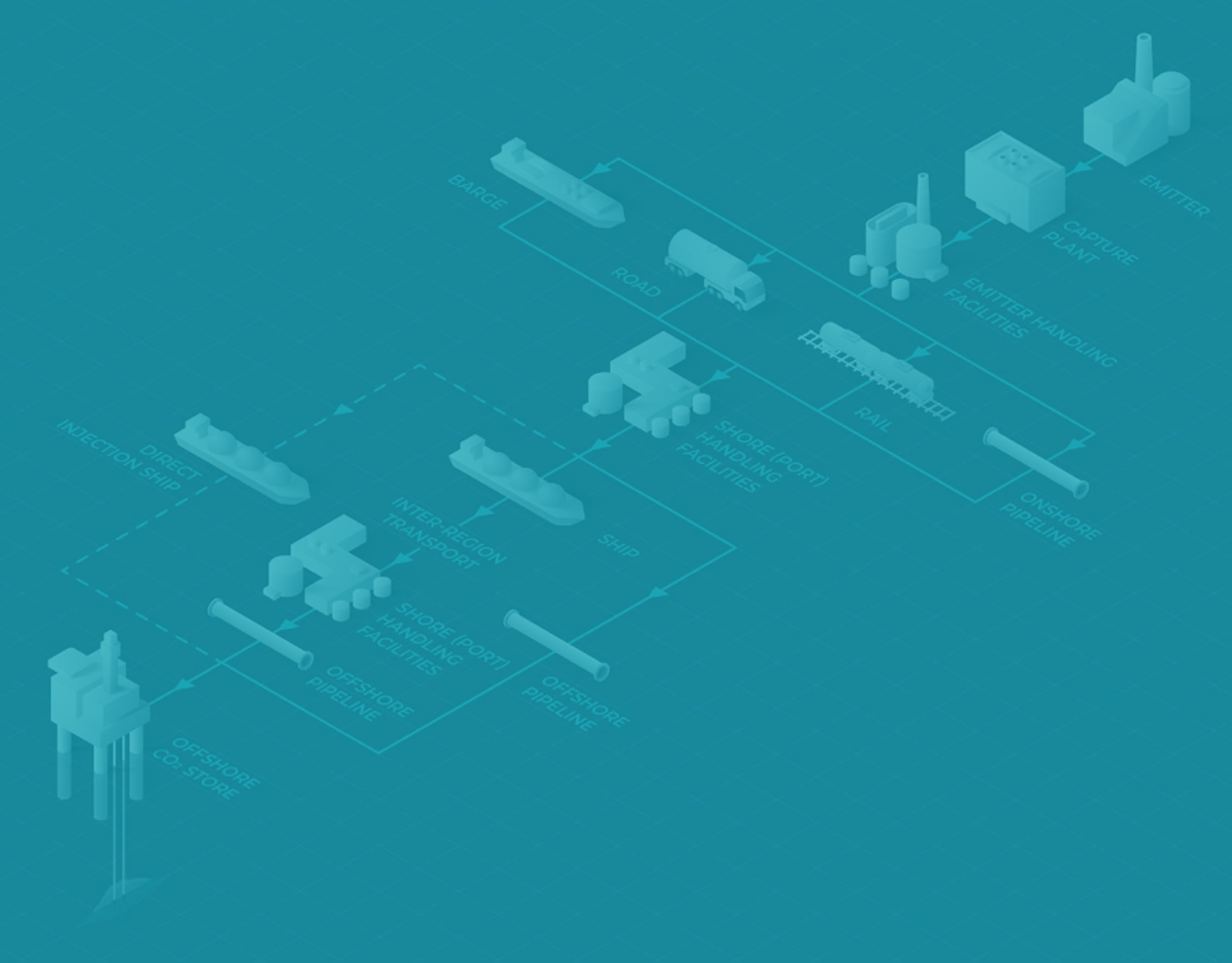
With non-pipeline transport set to play a key role in enabling cost effective transport of CO2 from emitters to safe and secure storage sites, the CCUS Enabling Infrastructure Study Report concentrates on the infrastructure required to transport CO2 to offshore storage sites with a specific focus on the role of ports in receiving CO2 from emitters and its onward journey to storage
The study shows that CO2 transport infrastructure is fundamental to scaling up CCUS across Europe, with the UK, Dutch, and wider sectors of the North Sea positioned as a cornerstone of the emerging system. Cost-based modelling indicates that a significant proportion of captured CO2 will need to be stored offshore, especially in the North Sea, which consistently emerges as Europe’s primary storage sink from 2030 to 2050. Shipping-enabled transport is vital for cross-border connectivity, providing early access to storage ahead of pipeline expansion and remaining a structurally important part of a hybrid transport network in the long term. The geographic spread of sources and sinks, along with the scale of future CO2 flows, makes a dedicated CO2 shipping fleet essential to unlock Europe’s decarbonisation potential.
The modelling suggests that a limited number of high-capacity ports and a scalable fleet can efficiently support international flows, creating a resilient and investable transport system. The North Sea, with its advanced CCUS projects, world-class offshore storage, and robust port infrastructure, is uniquely poised to lead Europe’s transition. Early investment in North Sea storage, port facilities, and shipping solutions can set the benchmark for how the UK and Europe connect emitters to storage. With proven technologies, market demand and enabling infrastructure ready, the key task now is to accelerate deployment.
Key outcomes at a glance
- Proven technologies – Most of the CCUS transport technology required for a Europe-wide network already exists, largely proven in the LPG sector and in early CO2 shipping projects such as Northern Lights. The main challenge is scaling and adapting for large-scale CO2 service.
- Investment – Early shipping and port investments will help unlock offshore storage ahead of building out a large-scale onshore pipeline network for CCUS.
- Hybrid network – The combination of pipeline and non-pipeline transport will bring flexibility to the overall CCUS industry. Pipelines will dominate high volume, highly industrialised corridors with shipping essential for flexibility, cross-border flows and helping to decarbonise regions where pipeline networks would not be competitive
- Focused hubs – We estimate that approximately 33 CO2 transport ports will be needed to support a Europe-wide CCUS transport network by 2050
- Shipping – We estimate that a dedicated shipping fleet of approximately 65 CO2 transport vessels will be needed to support a Europe-wide CCUS transport network by 2050
- North Sea opportunity – We predict that the UK, Dutch, and wider sectors of the North Sea will emerge as Europe’s primary offshore storage region, with large scale import from other regions
The CCUS Enabling Infrastructure Study was developed by Xodus on behalf of the Net Zero Technology Centre
with the support of key sponsors EBN, Port of Rotterdam, Gasunie and Offshore Energies UK,
and with assistance from the Carbon Capture and Storage Association, The Crown Estate and the Department for Energy Security and Net Zero.

A short executive summary of the report can be downloaded below. To download the full report please complete the form above.