Efficient transportation of liquified cold CO2
Industry context/challenge
Transporting CO₂ beyond pipelines is becoming critical for the success of Carbon Capture and Storage (CCS) projects – especially when connecting remote emitters to storage sites.
In cases where pipelines aren’t viable, ship and rail tanker solutions offer flexibility, but they come with technical challenges. Liquefied CO₂, cooled to around -50°C, places extreme demands on infrastructure. Standard carbon-steel pipes at terminals face corrosion and brittleness at these cryogenic temperatures, driving up costs and reducing reliability. As CCS scales rapidly to meet net-zero targets, the need for robust, alternative pipe designs that can withstand harsh conditions is more urgent than ever.
Project overview
Using advanced thermoplastic composite engineering, Enoflex developed a Single Polymer Composite (SPC) pipe technology that eliminates issues like metallic corrosion and cryogenic brittleness. The pipes are manufactured in-house using a novel, patented process. Both the fibres and the binding material are made from the same commodity polyolefin thermoplastic; a design that is cost-effective and tough in cryogenic, low-temperature environments. Unlike other composite materials like carbon or glass fibres, Enoflex’s polyolefin fibres and binders are fully recyclable at the end of life.
Enoflex SPC pipes offer a lightweight, easy-to-transport alternative to metallic options, reducing both project cost and carbon impact during manufacturing and installation compared to steel.
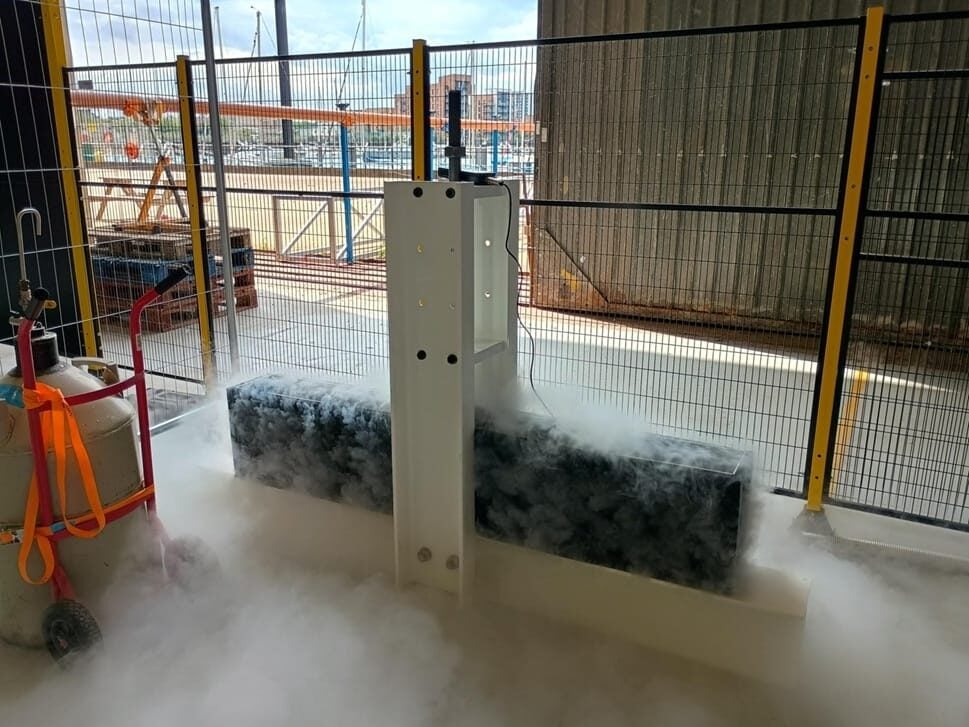
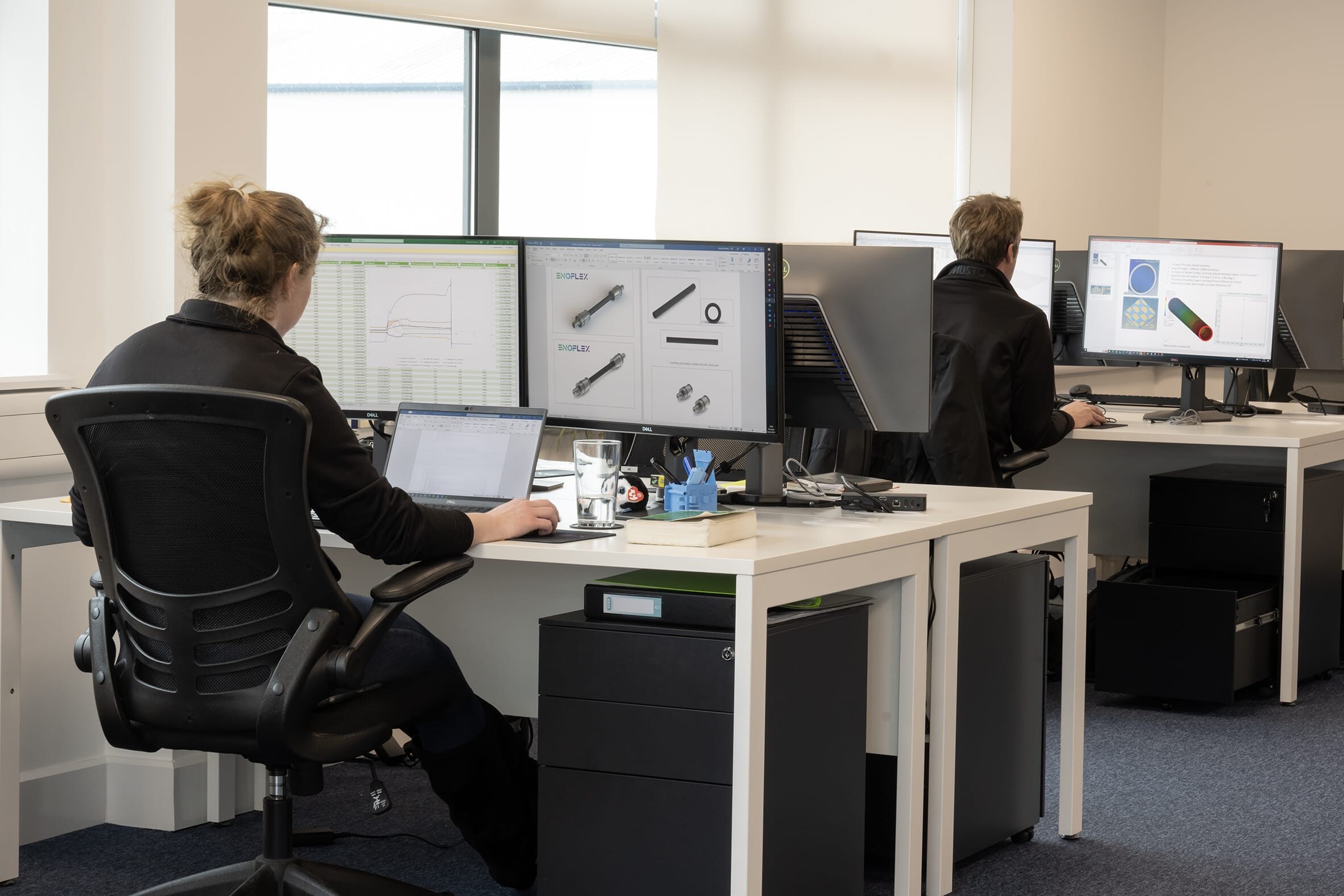
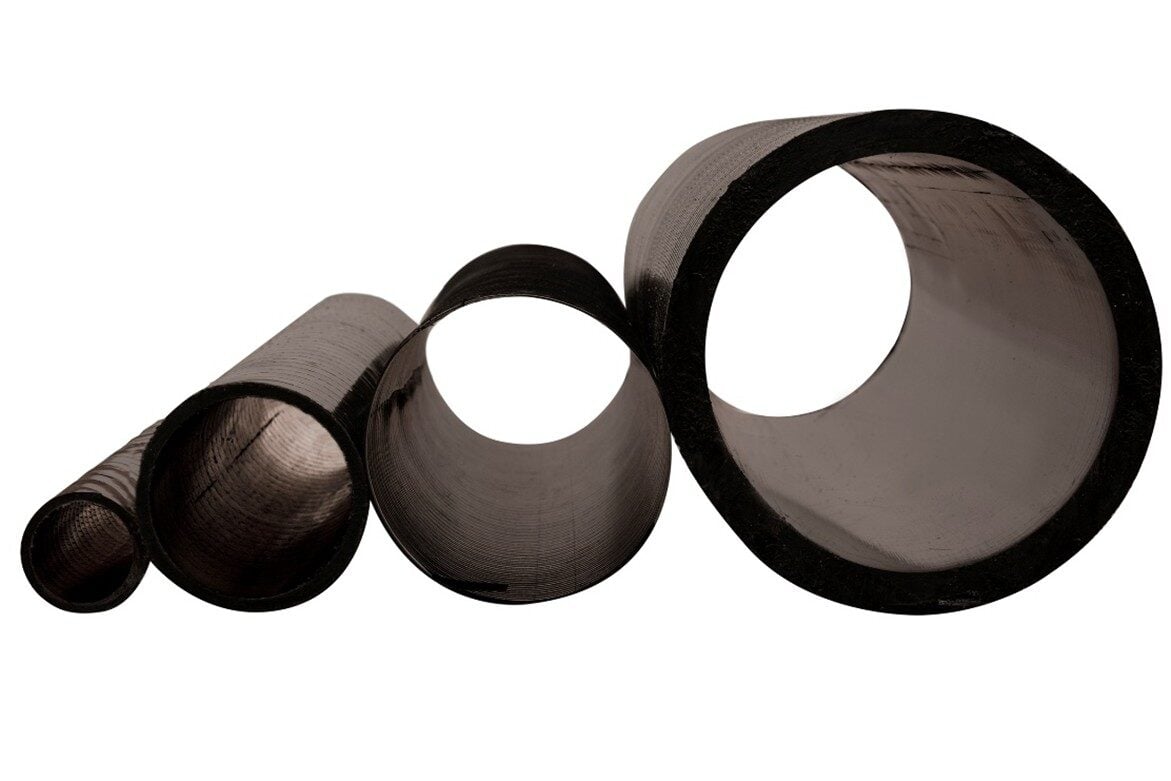
Enoflex performance spans a wide range of applications making them suitable for liquefied CO₂ and also Liquid Natural Gas (LNG), Hydrogen, Ammonia and broader CCUS infrastructure.
Industry value
Reduced project cost versus steel alternatives
Resistant to impure CO2 (H2S, H2O, SOx)
Withstands low temperatures (CO₂ at -50°C, LNG at -165°C)
Continuous reeled lengths up to 1 km to simplify transport and installation with no onsite welding required
Lower lifecycle CO₂ emissions compared to steel
Fully recyclable
Enoflex has scaled its team from 9 to 15 employees to meet growing demand. A Technology Development Agreement with Shell is currently qualifying SPC pipes for use in LNG regasification terminals as a cost-effective alternative to metal alloys. Building on this success, the current project focuses on qualifying the technology for CCS applications.
Technology Themes
CCUS & Carbon Removal
Providing long term CO2 storage facilities. Cutting carbon capture costs and developing utilisation options to create domestic supply chain opportunities.
Expert advisory, insights and collaborations to turn technology challenges into opportunities
Gain clarity and confidence in your technology future with expert advisory, innovation strategy and technology insights for energy operators, industry leaders and investors. Our services empower you to navigate the fast-evolving landscape of net zero innovation, digital transformation and energy sector challenges.

Related


Let's work together
"Required" indicates required fields