

Alternative Fuels: Integrating CO₂ Utilisation and Hydrogen for a Circular Carbon Economy
Alternative fuels defined
Alternative fuels and their production pathways
By definition, alternative fuels are derived from sources other than petroleum, and are used as a replacement to fossil fuels. They fall into various categories, including hydrogen, synthetic fuels, biofuels and electricity. Alternative fuel production pathways convert feedstocks such as renewable electricity, CO₂, biomass or natural gas into energy carriers through chemical and biological processes.
Hydrogen-based synthetic fuels
Alternative, or synthetic, fuels are produced from hydrogen and CO2 where the electricity used in the production process is from a renewable source such as wind or solar. The source of the hydrogen and CO2, whether that be green or blue hydrogen, biogenic or recycled industrial emissions will define the synthetic fuels categorisation.
Hydrogen in its elemental form can be used directly as a substitute to fossil fuels like coal or gas. When burned, hydrogen produces no greenhouse gasses and the only by product from utilising hydrogen as a fuel is water.

Synthetic Methane:
A synthetic version of natural methane, produced through the methanation of green hydrogen and CO₂. Although they are produced in different ways, e-methane and traditional methane are chemically identical, allowing for rapid adoption as a drop in fuel without significant retrofits.
Synthetic Methanol:
A synthetic version of natural methanol, produced via the hydrogenation reaction of hydrogen and CO₂. Although they are produced in different ways, synthetic and traditional methanol are chemically identical, allowing for rapid adoption without significant retrofits.
Dimethyl Ether:
Dimethyl Ether (DME) is a clean burning, oxygenated synthetic fuel typically produced by dehydrating green methanol. It is a low carbon emission alternative to traditional diesel and can be used in compression ignition diesel engines.
Synthetic Kerosene:
Synthetic kerosene is a sustainable aviation fuel produced by combining hydrogen and CO₂, typically through a Fisher-Tropsch process to create synthetic hydrocarbons. When produced with renewable energy and captured CO₂, synthetic kerosene combustion can be almost carbon neutral. Unlike biofuels, this product is scalable but is currently more expensive than conventional kerosene to produce.
Ammonia:
Ammonia is a carbon-free fuel synthesized from hydrogen and atmospheric nitrogen, using renewable electricity. Hydrogen and nitrogen, separated from air, are combined through the Haber-Bosch process to form ammonia. The ammonia produced is classed as green ammonia if renewable hydrogen is used in the production process.
Synthetic fuel production pathways and classification
The diversity of synthetic fuels arises from the various methods used to create them and the feedstock criteria that distinguish one type from another. Based on the source of the feedstocks, whether they are from renewable, biological or industrial origin, the synthetic fuel will be categorised as a true e-fuel, low carbon fuel or a recycled carbon fuel.
Different CO₂ sources trigger different policy support mechanisms, while the hydrogen source impacts the true or low-carbon fuel classification. Fuel classification is also an important factor when considering use cases for alternative fuels as the classification affects the policy/regulatory support within the different transport sectors.
Atmospheric or direct air capture CO₂-based fuels typically receive the highest level of support through development fuel certificates and renewable energy target contributions. Industrial waste CO₂-based fuels can receive support through recycled carbon fuel provisions, but to a much lesser extent than atmospheric, DAC or biogenic.
Biofuels
Biofuels are fuels derived from organic sources including biomass and organic waste, which can be used as a more sustainable and renewable alternative to traditional petroleum-based fuels. They play an important role in decarbonising transport including light and heavy-duty vehicles, shipping and aircraft and can also be used for both heating and producing electricity as an eco-friendlier alternative.
Biofuels can be classed into four generations based on their feedstock:
- The first generation consists of edible matter, effectively food crops. Biofuels such as bioethanol and biodiesel fall under this category.
- The second generation is non-edible matter, typically grasses and waste plant oils
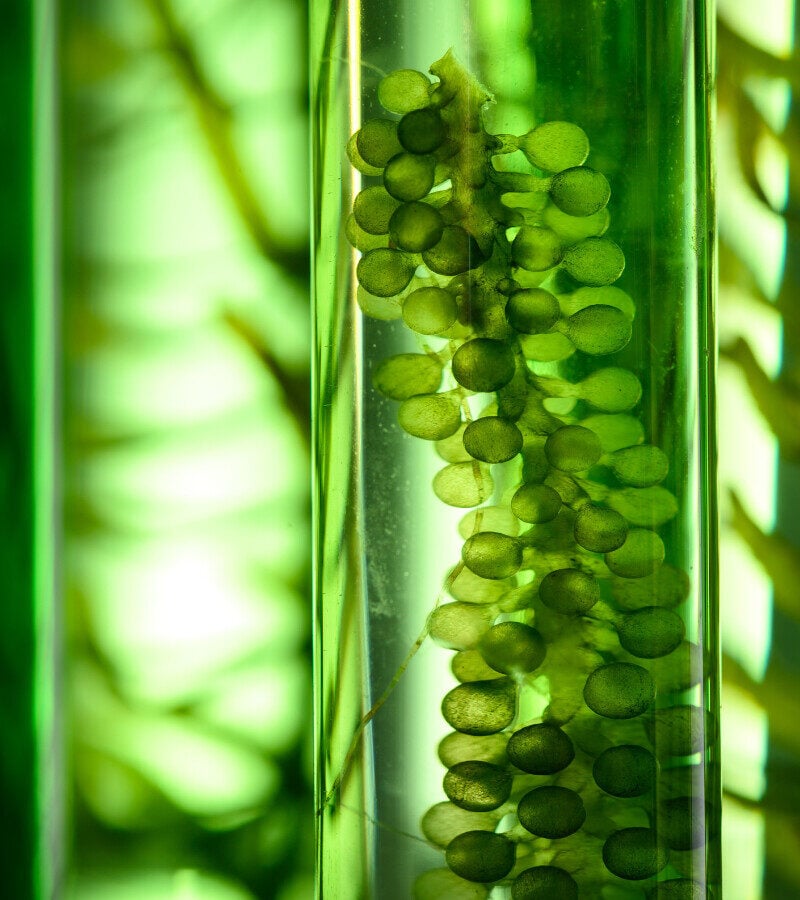
- The third generation relates to aquatic biomass, primarily algae
- The fourth-generation references genetically engineered plants.
Biomethane:
Biomethane is a renewable fuel which is produced through purifying biogas. Biogas is the product of anaerobic digestion of organic materials. Biogas consists primarily of methane (40-75%), CO₂, and small amounts of other gasses including water vapour, hydrogen sulphide and ammonia. The biogas is ‘upgraded’, a process which removes most of the CO₂ and other impurities to achieve an almost pure bio-methane gas. Biomethane can be used as a lower emission alternative to conventional natural gas as a fuel source.
Bioethanol:
Bioethanol is produced by the fermentation of different organic materials, mainly sucrose and starch-rich crops, such as corn and soybeans. Bioethanol can also be produced using non-edible sources like lignocellulose as feedstock. Compatible with most fuel engines, bioethanol can be used as a replacement for gasoline in the transport sector. It produces less vehicle emissions than gasoline (between 20%-90% depending on feedstock) and has a higher-octane number which can improve efficiency in optimised engines.
Bio-propane:
Bio-propane is a renewable fuel which can be used as replacement to fossil fuel based liquid petroleum gas (LPG) as they are molecularly identical. Subsequently, bio-propane can be used as a ‘drop in’ fuel. It is most commonly produced through the hydrogenation of vegetable oils and is formed as a by-product of hydrotreated vegetable oils (HVO) during this process. Emissions from bio-propane are significantly lower than those of conventional LPG.
Hydrotreated Vegetable Oil:
Hydrotreated vegetable oil is a second-generation biofuel and is the product of treating vegetable oils with hydrogen. The feedstock for this process is vegetable and plant oils, such as rapeseed and palm oil. It can often be used interchangeably as a low emission ‘drop in’ alternative to petroleum diesel in diesel engines. No engine adaptations are necessary which allows for smoother implementation of HVO either used on its own or blended with petroleum diesel. HVO fuel has several advantages over diesel, with longer shelf life and improved performance at cold temperatures. However, it has a lower energy density and low lubricity compared with conventional fuels.
Biodiesel:
Biodiesel is made from various plant oils, animal fats and greases and is a non-toxic, biodegradable and renewable alternative diesel fuel source. Although not identical, biodiesel is chemically very similar to petroleum diesel and therefore a blend of up to 20% biodiesel can often be used in traditional diesel engines without required modifications. Biodiesel produces less CO₂ emissions when used in vehicles than petroleum diesel as it contains more oxygen, however pure biodiesel can produce more nitrogen oxide (NOx) emissions. Colder temperatures can also have an adverse impact on performance.
Alternative fuels generally demonstrate a high compatibility with existing infrastructure and favourable handling characteristics. They offer long-term decarbonisation potential but have high production costs which are driven by the cost of feedstocks.
There is scope to reduce these costs through technological innovation in feedstock production, leveraging existing distribution and storage assets, and implementing creative policy mechanisms that incentivise early adoption. As deployment scales up, economies of scale and learning-by-doing effects can drive efficiency improvements across production processes, ultimately making synthetic fuels more competitive while supporting a smoother transition to a low-carbon energy system.
Read the full report to understand their pivotal role in achieving deep decarbonisation across sectors that are difficult to electrify.
By leveraging the UK’s robust infrastructure, policy support, and engineering expertise, synthetic fuels represent a practical and scalable pathway to transition towards a low-carbon energy system while maintaining compatibility with existing supply chains and end-use equipment.
Discover the demand, opportunities and strategic recommendations that will position the UK as a global leader in alternative fuels.
Related


Subscribe for the latest updates